学習のポイントと概要
太陽について英語で聞き取って学びましょう。この動画では、太陽の形成、構成、および太陽系におけるその重要な役割について解説しています。 太陽は約45億年前にガスと塵の雲から形成され、その膨大な質量によって太陽系全体の中心的な重力源となっています。地球に生命を与える熱と光をもたらしていることや強力な磁場を持ち、太陽系の惑星を有害な宇宙放射線から保護していることなど太陽について英語で学んでみてください。
まずは、vocabularyを確認して動画の中でどこで言っているか聞き取ってみましょう!
vocabulary and phrase
| Milky Way galaxy – 天の川銀河 |
| Orion Spur – オリオン腕 |
| solar nebula – 太陽星雲 |
| matter condensed – 物質が凝縮して |
| chromosphere – 彩層 |
| photosphere – 光球 |
| convective zone – 対流層 |
| radiative zone – 放射層 |
| core – 中心核 |
| extreme temperatures – 極端な温度 |
| thermonuclear fusion – 熱核融合 |
| solar wind – 太陽風 |
| life-giving heat and light – 生命を与える熱と光 |
| massive object – 質量が大きい |
| comets and asteroids – 彗星や小惑星 |
| harmful cosmic radiation – 有害な宇宙放射線 |
| sunspots – 太陽黒点 |
| atmospheres – 大気 |
| white dwarf – 白色矮星 |
| protective magnetic field – 保護的な磁場 |
LESSON VIDEO
sentence
Our sun formed about 4.5 billion years ago in the milky way galaxy‘s Orion Spur.
私たちの太陽は、約45億年前に天の川銀河のオリオン腕で形成されました。
It was born when a cloud of dust and gas known as a solar nebula collapsed, and in the middle of this formation, matter condensed into a burning ball of gas that became our sun.
それは、太陽星雲として知られる塵とガスの雲が崩壊して誕生し、この形成の途中で物質が凝縮して燃えるガスの塊となり、それが私たちの太陽になりました。
The sun can be divided into six layers or regions. The corona, the chromosphere, the photosphere, the convective and radiative zones, and the core.
太陽は、6つの層または領域に分けられます。コロナ、彩層、光球、対流層、放射層、そして中心核です。
Due to the sun’s extreme temperatures these elements stay in a gas-like phase called plasma.
太陽の極端な温度のため、これらの元素はプラズマと呼ばれるガス状の相を保っています。
Combined with the sun’s powerful gravity fuse together, hydrogen molecules to create helium called thermonuclear fusion.
太陽の強力な重力と相まって、水素分子が融合してヘリウムを生成する、これを熱核融合と呼びます。
This releases an enormous amount of energy in the form of radiation, electricity, solar wind, and as we experience on earth, life-giving heat, and light.
これにより、放射線、電気、太陽風、そして地球上で私たちが経験する生命を与える熱と光という形で、莫大な量のエネルギーが放出されます。
Sun is the largest and most massive object in the solar system.
太陽は、太陽系で最も大きく、最も質量が大きい天体です。
This gravitational pull allows the sun to hold together, a system of eight planets, potentially dozens of dwarf planets, at least 170 moons, and countless comets and asteroids.
この重力によって、太陽は8つの惑星、おそらく数十の準惑星、少なくとも170個の月、そして無数の彗星や小惑星からなる系を一つにまとめています。
Called the heliosphere, this force field protects the planets from harmful cosmic radiation.
ヘリオスフィアと呼ばれるこの力場は、惑星を有害な宇宙放射線から守っています。
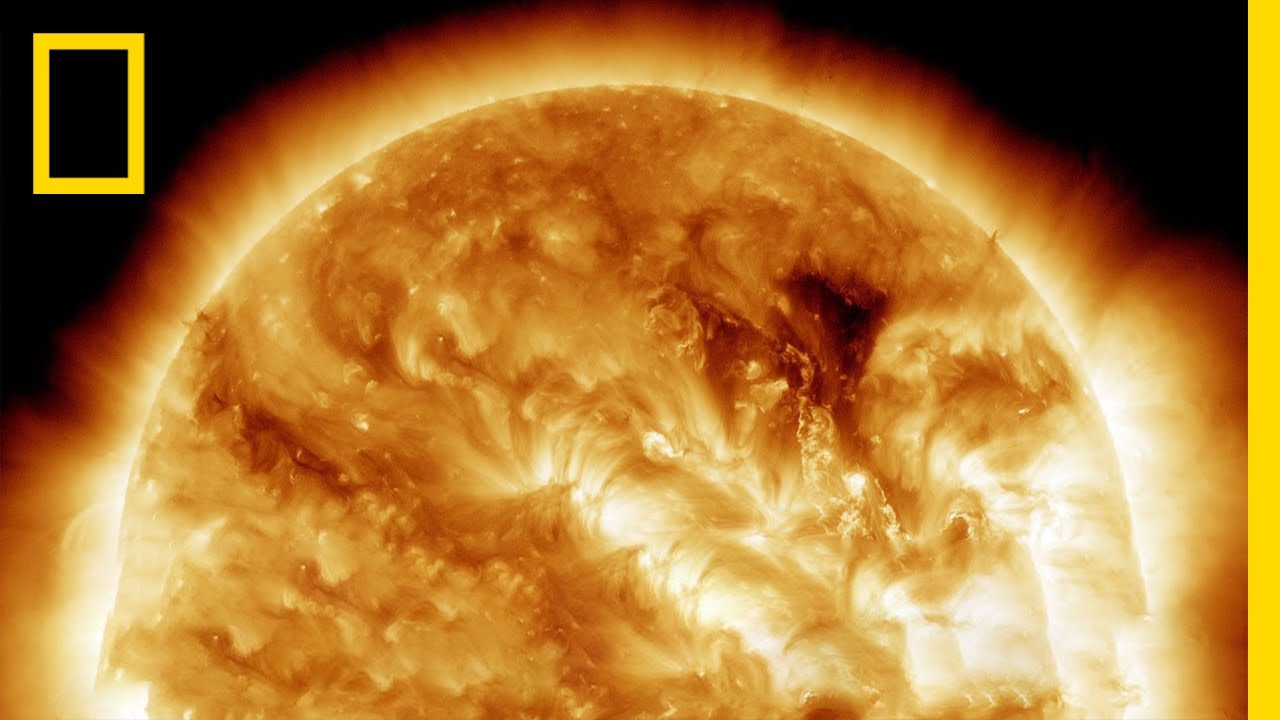
On the sun’s surface, are dark areas called sunspots which mark strong pockets of magnetism.
太陽の表面には、太陽黒点と呼ばれる黒い領域があります。これらは、強力な磁場の塊を示しています。
On earth and on some of the other planets, the sun’s magnetic field interacts with their atmospheres resulting in beautiful auroras.
地球上や他のいくつかの惑星では、太陽の磁場が大気と相互作用し、美しいオーロラを発生させます。
In about 6.5 billion years, it will run out of its hydrogen fuel. Expand to envelop Mercury, Venus, and even Earth, and then collapse into a small star known as a white dwarf.
約65億年後、太陽はその水素燃料を使い果たします。水星、金星、さらには地球を包み込むほど膨張し、その後、白色矮星として知られる小さな星に収縮します。
The sun’s protective magnetic field, tremendous gravitational pull, and ability to create vast amounts of energy will protect, contain and give life to our solar system.
太陽の保護的な磁場、巨大な重力、そして膨大な量のエネルギーを生み出す能力は、私たちの太陽系を守り、維持し、そして生命を与え続けるでしょう。
太陽:生命を育む星
太陽は、空に輝く単なる明るい光ではありません。それは私たちの太陽系の心臓であり、地球上の生命にとって不可欠な存在です!英語学習者にとって、太陽を理解することは語彙を増やし、宇宙について学ぶ素晴らしい方法です。私たちの星についての驚くべき事実を探ってみましょう!
The Sun’s Formation and Structure 太陽の形成と構造
Our Sun formed about 4.5 billion years ago in the Milky Way galaxy’s Orion Spur. It began when a huge cloud of dust and gas, called a solar nebula, collapsed. In the middle of this collapse, matter got incredibly dense and hot, forming a burning ball of gas that became our Sun.
私たちの太陽は、約45億年前に天の川銀河のオリオン腕で形成されました。太陽星雲と呼ばれる巨大な塵とガスの雲が崩壊したことから始まりました。この崩壊の途中で、物質は信じられないほど高密度で高温になり、燃え盛るガスの塊を形成し、それが私たちの太陽となりました。
How the Sun Creates Energy 太陽がエネルギーを生成する方法
The Sun is a giant nuclear furnace! Inside its core, combined with its powerful gravity, hydrogen molecules fuse together to create helium. This process is called thermonuclear fusion. This fusion releases an enormous amount of energy in various forms: radiation, electricity, solar wind, and, importantly for us on Earth, life-giving heat and light.
太陽は巨大な核融合炉です!その中心部では、強力な重力と相まって、水素分子が融合してヘリウムを生成します。この過程は熱核融合と呼ばれます。この融合は、放射線、電気、太陽風、そして地球上の私たちにとって重要な、生命を育む熱と光という形で莫大な量のエネルギーを放出します。
The Sun’s Influence on Our Solar System 太陽が太陽系に与える影響
The Sun is the largest and most massive object in our solar system. This gravitational pull allows the Sun to hold together a system of eight planets, potentially dozens of dwarf planets, at least 170 moons, and countless comets and asteroids.
太陽は、太陽系で最も大きく、最も質量が大きい天体です。この重力によって、太陽は8つの惑星、おそらく数十の準惑星、少なくとも170個の月、そして無数の彗星や小惑星からなる系を一つにまとめています。
Beyond its gravity, the Sun also has a protective force field called the heliosphere. This force field protects all the planets from harmful cosmic radiation coming from deep space.
重力だけでなく、太陽はヘリオスフィアと呼ばれる保護的な力場も持っています。この力場は、すべての惑星を有害な宇宙放射線から守っています。
You might have seen dark areas on the Sun’s surface called sunspots. These sunspots mark strong pockets of magnetism. On Earth and on some of the other planets, the Sun’s magnetic field interacts with their atmospheres, resulting in beautiful auroras (like the Northern Lights!).
太陽の表面に黒い領域があるのを見たことがあるかもしれません。これらは太陽黒点と呼ばれ、強力な磁場を示しています。地球上や他のいくつかの惑星では、太陽の磁場が大気と相互作用し、美しいオーロラ(北極光のようなもの!)を発生させます。
The Sun’s Future 太陽の未来
Our Sun won’t shine forever, but don’t worry—it has billions of years left! In about 6.5 billion years, it will run out of its hydrogen fuel. When this happens, it will expand to envelop Mercury, Venus, and even Earth, becoming a red giant. After that, it will collapse into a small star known as a white dwarf.
私たちの太陽は永遠に輝き続けるわけではありませんが、心配はいりません。あと数十億年は残っています!約65億年後、太陽はその水素燃料を使い果たします。そうなると、太陽は膨張して水星、金星、そして地球さえも包み込み、赤色巨星になります。その後、白色矮星として知られる小さな星へと崩壊します。
★太陽の保護的な磁場、とてつもない重力、そして莫大な量のエネルギーを生み出す能力は、私たちの太陽系を非常に長い間、守り、維持し、生命を与え続けるでしょう。太陽について学ぶことは、宇宙における私たちの位置を認識するのに役立ちます!