

学習のポイントと概要
江戸時代から約400年にわたり日本の財政を支えた日本の金の生産の歴史を物語る世界遺産、佐渡金山。日本の近代化に貢献した歴史的価値と、鉱山で生きた人々の営みを今に伝える点が大きな魅力です。金山の歴史と文化を英語ではどの様に表現しているのでしょうか?動画を聞き取って英語を学びましょう。
vocabulary and phrase
| gold mining area (金採掘地域) |
| unmechanized handicraft methods (非機械的な手工業の方法) |
| clay circle deposits (土壌円形鉱床) |
| layers of sediment (堆積物の層) |
| load deposits (脈状鉱床) |
| penetrate (貫通する) |
| reservoirs (貯水池) |
| ventilation tunnels (換気坑道) |
| highly sophisticated excavation (高度な掘削技術) |
| mining (採掘) dressing (選鉱) smelting (製錬) refining (精錬) minting (鋳造) |
| 4 unique characteristics (4つの独特な特徴) |
| exceeding (超える、上回る) |
| Unique local culture(独自の地域文化) |
| heritage (遺産) |
LESSON VIDEO
sentence
In the 17th century, one gold mining area led the world in both the volume and the quality of the gold that produced, the island of gold. This is the Sado Island Gold Mines.
17世紀、産出する金の量・質ともに世界をリードした『黄金の島』、それが佐渡金山です。
While other mines around the world were being mechanized, the miners of Sado Island produced the purest gold in the world in large quantities, through unmechanized handicraft methods.
世界の鉱山で機械化が進む一方、佐渡の鉱夫たちは機械に頼らない手作業によって、世界最高純度の金を大量に産出していました。
Clay circle deposits are where sandy gold is found in layers of sediment, and are located in the Nishimikawa area.
土壌円形鉱床は、堆積物の層に砂金が見つかる場所で、西三川地域にあります。
Load deposits are where gold lies in the veins that penetrate through the rocks, and are located in the Aikawatsurushi area.
脈状鉱床は、岩を貫く鉱脈の中に金がある場所で、相川鶴子地域にあります。
In Nishimikawa the “Onagashi” method was used to extract placer gold by washing it with flowing water from reservoirs.
西三川(にしみかわ)では、貯水池からの流水で砂金を洗い流して採掘する『大流し(おおながし)』という方法が用いられていました。
In Aikawatsurushi drainage and ventilation tunnels for mining load deposits were excavated separately utilizing highly sophisticated excavation and surveying techniques.
相川鶴子では、非常に高度な掘削技術と測量技術を駆使し、鉱脈鉱床を採掘するための排水用と通気用の坑道が、別々に掘削されました。
On Sado Island, the entire production process from mining, and dressing to smelting, and refining, and even minting, was performed by hand by skilled craftspeople.
佐渡島では、採掘から選鉱、製錬、精錬、さらには鋳造に至るまで、生産工程全体が熟練した職人の手によって行われました。
Sado Island Gold Mines developed their cultural value increased due to 4 unique characteristics. Highly advanced excavation surveying and refining techniques.
佐渡金山が発展し、その文化的価値が高まったのには、4つの独自の特徴があります。高度に発達した掘削、測量、精錬技術。
Large production volumes with a purity of 99.54 exceeding that of mechanized minds.
純度99.54%という、機械化された鉱山を上回る品質と、その豊富な産出量。
Strategic mining management under the Tokugawa Shogunate, which govern Japan during the Edo period.
江戸時代に日本を統治した徳川幕府による戦略的な鉱山管理。
Unique local culture nurtured by miners, and others whose livelihoods depended on gold mining.
鉱夫をはじめ、金山に関わる人々によって育まれた独自の地域文化。
The heritage of Sado Island Gold Mines is still carefully preserved today, and the island’s culture lives on in the local community.
佐渡金山の遺産は今日においても大切に保存されており、その島の文化は地域社会に生き続けています。
佐渡金山をもっと英語で学ぼう!
佐渡金山は、産出された貴金属と同じくらい、日本の豊かな歴史が輝いている場所です。約400年もの間、この地は日本最大の金山であっただけでなく、その産出量と品質において世界をリードしていました。その魅力的な物語と独自の文化遺産を英語で学んでいきましょう。
What are the Sado Island Gold Mines? 佐渡金山とは?

The Sado Island Gold Mines, located on Sado Island in Niigata Prefecture, were a cornerstone of Japan’s economy for centuries. Operating from 1601 until 1989, they provided immense wealth for the Tokugawa Shogunate, which governed Japan during the Edo period (1603-1868), and later fueled the country’s modernization. The site is a testament to Japan’s long history of technological and cultural development.
新潟県の佐渡島にある佐渡金山は、何世紀にもわたって日本経済の礎でした。1601年から1989年まで操業し、江戸時代(1603-1868)に日本を統治した徳川幕府に莫大な富をもたらし、後には日本の近代化の原動力となりました。この場所は、日本の技術的・文化的発展の長い歴史を証明するものです。
A Tale of Two Mining Methods 2つの採掘方法の物語
佐渡金山の遺産は、それぞれが独自の金採掘方法を持つ、2つの異なる地域によって特徴づけられます。
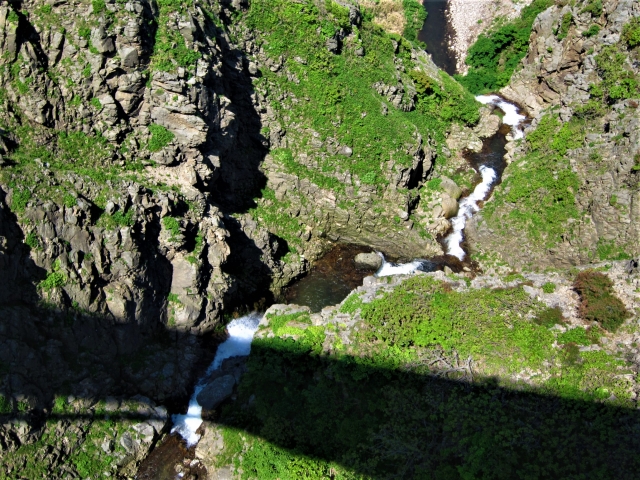
- Nishimikawa Area (Placer Gold): In this area, placer gold (sakin, 砂金) was found in layers of sediment. Miners used a dynamic method called Ōnagashi (大流し), where they washed entire hillsides with flowing water from reservoirs to extract the gold dust.
- 西三川地域(砂金): この地域では、堆積物の層の中に砂金が見つかりました。鉱夫たちは「大流し」と呼ばれるダイナミックな方法を用い、貯水池からの流水で山肌を丸ごと洗い流して砂金を採取しました。
- Aikawa-Tsurushi Area (Lode Gold): This area is famous for its lode deposits (kōmyaku, 鉱脈), where gold lies in veins within hard rock. To mine this, highly sophisticated excavation and surveying techniques were used to dig separate tunnels for drainage and ventilation, showcasing advanced engineering for its time.
- 相川鶴子地域(鉱脈金): この地域は、硬い岩盤の中の鉱脈に金が存在する「鉱脈鉱床」で有名です。これを採掘するため、非常に高度な掘削技術と測量技術を駆使し、排水用と通気用の坑道が別々に掘削されました。これは当時として先進的な土木技術の証です。
A Legacy of Unmechanized, Artisanal Skill 機械化に頼らない、職人技の遺産

What makes the Sado Gold Mines truly special is that, for much of its most productive history, it was a center of high-quality, unmechanized handicraft production. While other mines around the world were being mechanized, skilled craftspeople on Sado Island performed the entire production process by hand. This included mining, ore dressing, smelting, refining, and even minting gold coins. This artisanal system produced gold with a purity of over 99.5%, a quality that often exceeded that of mechanized mines.
佐渡金山を真に特別なものにしているのは、その最も生産的だった歴史の大部分において、高品質な非機械的・手工業生産の中心地であったことです。世界の他の鉱山が機械化されていく中で、佐渡島の熟練した職人たちは、採掘、選鉱、製錬、精錬、さらには小判の鋳造に至るまで、生産の全工程を手作業で行っていました。この職人たちのシステムは、純度99.5%を超える金を産出しましたが、これは機械化された多くの鉱山を上回る品質でした。
Enduring Heritage and Culture 受け継がれる遺産と文化

This long history of mining fostered a unique local culture, nurtured by the miners and the many others whose livelihoods depended on the gold. This heritage is still carefully preserved today, and the island’s culture lives on in the local community. Recognizing its immense historical and cultural value, Japan has nominated the Sado Island Gold Mines as a UNESCO World Heritage site, hoping to share its golden legacy with the world.
この長い鉱山の歴史は、鉱夫たちや、金山で生計を立てていた多くの人々によって育まれた、独自の地域文化を育みました。その遺産は今日においても大切に保存されており、島の文化は地域社会に生き続けています。その計り知れない歴史的・文化的価値が認められ、日本は佐渡金山をユネスコ世界遺産に推薦し、その黄金の遺産を世界と分かち合うことを目指しています。
佐渡金山へのアクセス

佐渡金山への道のりも冒険の一部です。この旅では、まず新潟県の沖合に位置する佐渡島へ渡る必要があります。ここでは東京からの一般的なルートを紹介します。
ステップ1:新潟港へ 最も一般的なルートは東京から出発します。東京駅から上越新幹線に乗り、新潟駅へ向かいます(約2時間)。新潟駅からは、路線バスまたはタクシーで新潟港の佐渡汽船ターミナルへ移動します(約20分)。
ステップ2:フェリーで佐渡島へ 佐渡汽船が、新潟港から佐渡島の両津港へフェリーを運航しています。選択肢は2つです。
- カーフェリー: 時間はかかりますが(約2時間30分)、料金が安く、車を載せることができます。
- ジェットフォイル: 歩行者専用の高速船です(約1時間7分)。速いですが、料金は高めです。 特に観光シーズンは、事前にフェリーのチケットを予約することを強くお勧めします。
ステップ3:佐渡島内で金山へ 両津港に到着したら、以下の方法で金山へ向かうことができます。
- 路線バス: 「本線」のバスに乗り相川方面へ向かい、「佐渡金山」バス停で下車します(約60~70分)。
- レンタカー: 両津港の近くでレンタカーを借りると、自分のペースで島を探索でき、最も自由度が高いです。
- 観光バス・タクシー: 手軽に観光したい方向けに、定期観光バスや観光タクシーも利用できます。
旅のヒント: フェリーやバスの時刻表は変更されることがあるため、旅行前に佐渡汽船や地元のバス会社の公式サイトで最新の情報を確認してください。